On the Table: Switching Focus with Daria Rodriguez
Summary:
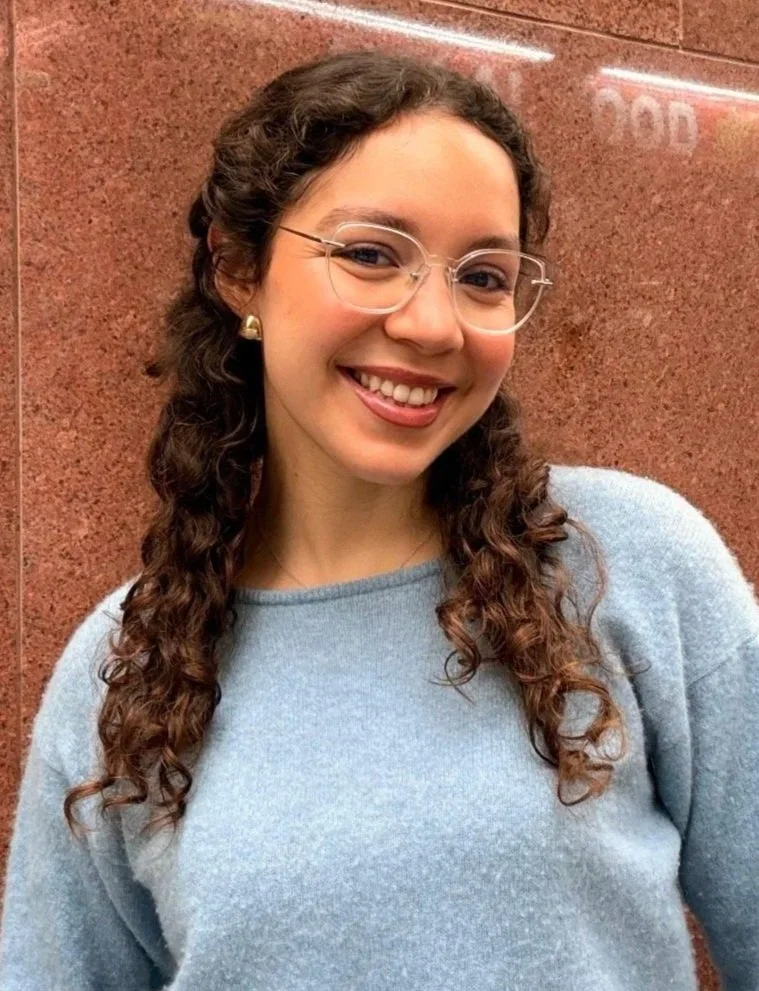
Back in spring, guest host Mariana Caro sat down with Daria Maria Rodriguez, a student in the Negotiation and Conflict Resolution program at Columbia University. For Daria, peace is not just a passive political condition, but an active, daily practice rooted in empathy, humility, and the courage to engage in difficult conversations. Tune in to hear how she leveraged visual storytelling through a powerful conflict resolution photo exhibition and what it means to create safe, collaborative spaces where dialogue triumphs over hostility.
Timestamps:
00:00 Introducing Daria
2:30: Starting her humanitarian journey
4:45: Working on Mi Casa, Tu Casa initiative
8:30: Why NECR
10:45 Perception of conflict
13:00 Conflict as a relational process
15;50: Joining a negotiation competition
22:00 What they don’t teach you in class
33:25 Defining peace
37:40 Visual storytelling and conflict
43:40 Women in the field
48:00 Advice for future students
51:00 Source of inspiration
55:15 Final takeaway
56:00 Closing
Concepts and frameworks featured:
Trust, Dynamical System Theory, Relational and system framework, Value-maximizing negotiation strategy
About the expert:
Born in Mexico and raised partly in Brazil, Daria Rodriguez is a passionate scholar and practitioner interested in humanitarian work, migration, and conflict resolution.
Growing up between cultures shaped her global outlook early on and sparked a deep interest in social justice, inequality, and the lived realities of displaced communities.
She completed her undergraduate studies in Politics and International Relations in the United Kingdom at the University of Bristol, where she focused on global migration systems and international hierarchies between the Global North and South. As part of her degree, she spent a semester abroad at Sciences Po in France, further broadening her academic and cultural perspective on international politics.
Alongside her studies, Daria has engaged in humanitarian and community-focused initiatives. She has supported refugee communities in Brazil through initiatives connected to UNHCR and has been involved in projects aimed at raising awareness, building partnerships, and supporting vulnerable populations.
Her academic and practical experiences reflect a strong commitment to understanding migration, humanitarian systems, and the importance of trust and dignity in humanitarian responses.
Across both research and practice, she is particularly interested in how storytelling, cross-cultural dialogue, and grassroots engagement can help foster empathy and more just approaches to global challenges.